Related: How To Stop Cat From Chewing Cat Tree Carpet
The carpet on a cat tree doesn't wear out slowly. It goes from fine to shredded overnight, usually at 3 AM, and suddenly you're vacuuming up a confetti of beige fibers that your cat looks very proud of. I've replaced more carpet on more trees than I can count, and the good news is this: you don't need to toss the whole thing. The frame is almost always fine. You just need to recover it.
The fix is simpler than you think, and it costs less than a new tree, because the carpet is the only part that actually fails.
Here's the short version: you can replace cat tree carpet with sisal rope, marine carpet, or even a fleece blanket wrapped tight, depending on which part of the tree you're fixing. I've done all three in my foster room, and I'll walk you through exactly what worked, what didn't, and what I'd do differently next time.
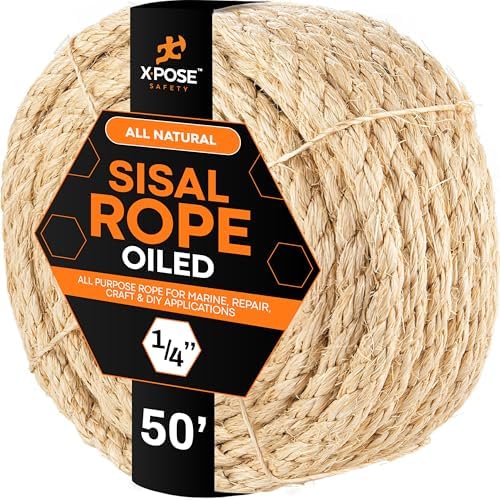
Xpose Safety 1/4" x 50ft Sisal Rope – Natural Fiber Twisted Sisal, Chemical-Free Rope for Cat Scratching Post Repair, Cat Tree, Crafts, Gardening & DIY Projects
Best for posts, lasts 2-3 years with daily scratching
Visit on Amazon →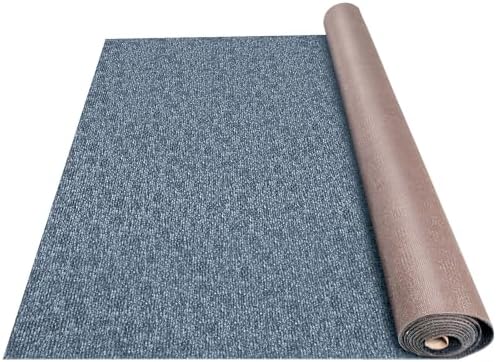
Happybuy 6 ft x 13 ft Gray Marine Boat Carpet, Indoor Outdoor Carpet
Perfect for platforms, easy to cut and staple
Visit on Amazon →
Bedsure GentleSoft Fleece Bed Blankets Queen Size Grey - Soft Warm Outdoor Picnic Fall Blanket for Camping Travel Lightweight Cozy Anti-Static, Room Home Decor Gifts for Husband and Men, 90x90 inches
Cheapest fix, cats love the texture
Visit on Amazon →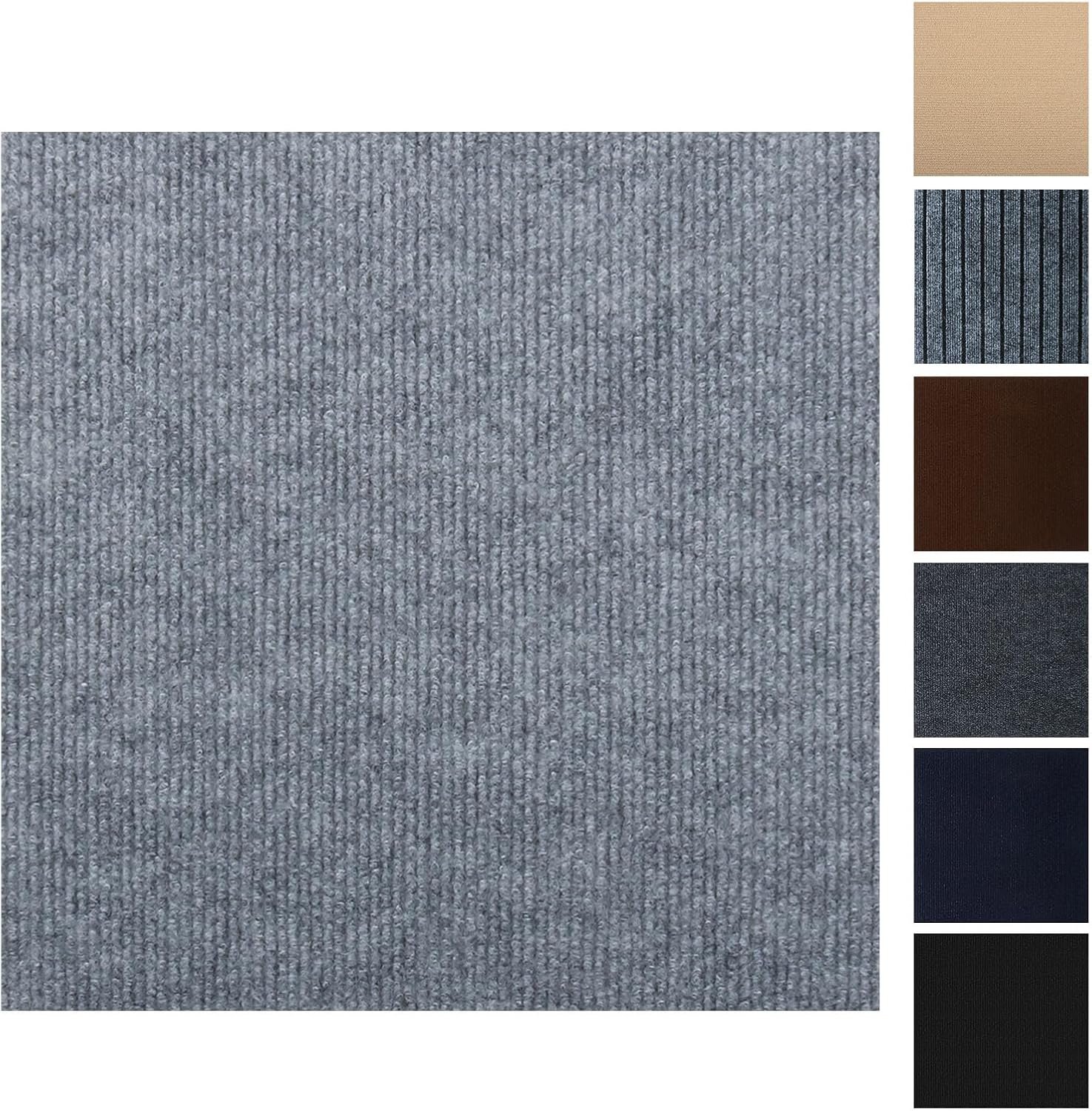
12x12 Inch Self-Adhesive Anti-Slip Carpet Tiles, 10 Pack
Quick, no tools beyond scissors
Visit on Amazon →Happybuy 6 ft x 13 ft Gray Marine Boat Carpet, Indoor Outdoor Carpet
Non-slip grip, easy to cut
Visit on Amazon →Pros
Cons
- The original carpet is usually glued on, and removing it is the worst part
- Staples rust and snap, so you'll need pliers and patience
- Some fixes (like sisal wrapping) are repetitive and boring
- You will find carpet fibers in your house for weeks
Compared to buying a new tree
I've tested the Globlazer 70-inch tree (which held up to six cats without wobbling) and the Heybly tree (which is perfect for kittens but too light for heavy cats). Both of them ship with carpet that eventually wears out, just like everything else on the market.
A new tree in that size range runs $80-200. Replacing the carpet on your existing tree costs $15-40 in materials. The frame underneath is usually solid wood or particle board with good screws. It's not the frame that fails. It's the carpet that gets shredded, the sisal that frays, the fabric that pills. Those are all replaceable.
The math is simple. If your tree frame is stable and the posts are still attached, re-carpeting is the smart move. If the frame wobbles or the particle board is swelling from moisture, buy new. But if it's just ugly and bald in spots, fix it.
Design
I've rescued more cat trees from the curb than I care to admit. The carpet is almost always the reason they're being thrown out. The frame is fine. The carpet is a mess. And the owners didn't know they could just replace the carpet.
The first thing to figure out is what kind of carpet your tree uses. Most budget trees use a low-pile loop carpet that's glued to the platforms and posts. It's the same stuff you'd find in an office. It's not durable, but it's cheap to manufacture.
Some trees use a fleece or plush fabric on the platforms and sisal rope on the posts. Those are easier to work with. The fleece can be stapled, and the sisal can be re-wrapped.
The Moon & Star wall shelves I tested had a different issue. They didn't use carpet at all. The steps were bare wood, and my fifteen-pound ragdoll couldn't get a grip on them. I ended up adding kitty carpet to the steps so he felt safe climbing. That's the same principle in reverse: sometimes you're adding carpet, not replacing it.
Performance
Here's the honest breakdown of what works for each part of the tree.
Posts: Sisal rope is the winner, no contest. I buy 1/4-inch sisal rope in 50-foot lengths. It costs about $15-20. To wrap a post, I remove the old carpet, apply a line of hot glue down the post, and wrap tightly, working from bottom to top.
The trick is keeping tension. If the rope is loose, your cat will pick at it and pull it apart in days.
I've wrapped posts that lasted two years with daily scratching from five cats.
One thing I learned the hard way: don't use jute rope. It frays faster and sheds little fibers everywhere. Sisal is rougher and holds up better.
Platforms: Marine carpet is the best option. It's sold by the yard at most hardware stores and costs $10-20 per yard. It's thin enough to staple easily but dense enough to withstand scratching. I cut it to size, lay it over the old carpet (if the old carpet is still flat), and staple every two inches along the edges.
If the old carpet is coming up, I peel it off first and use spray adhesive on the platform before stapling.
The Heybly tree I tested had carpet on the platforms that was glued down well. It held up fine for kittens, but a heavier cat would wear through it in months. Marine carpet would be the upgrade.
Cubbies: This is the tricky part. Cubbies are hard to re-carpet because they have corners and curves. I've used two approaches. The first is to cut a piece of carpet slightly larger than the floor of the cubby and just lay it in, no adhesive.
Cats will knead it and move it around, but they don't seem to mind. The second is to use fleece, which I can staple along the inside edges.
It's softer and easier to work with.
The Globlazer tree has a cubby that my curvy girl foster cat loves. She's a former stray who needs a den to feel safe. The original carpet in that cubby is still fine after months of use, but I've already thought about what I'd do when it wears out. Fleece, stapled, with a washable liner on top.
Durability
The biggest mistake I see in online reviews is people blaming the tree when the carpet fails. The carpet is a consumable. It's like tires on a car. You expect to replace them.
That said, some carpets fail faster than others. The cheap loop carpet on budget trees like the Heybly wears through in about six months with a single cat. With my foster crew of five, it's more like three months. The plush fabric on mid-range trees lasts longer, maybe a year, but it pills and looks terrible before it actually wears through.
Sisal posts are a different story. A good sisal post lasts 1-2 years with daily scratching. When it frays, you can either re-wrap it or flip it. Some trees have reversible posts. I've seen Globlazer owners on Amazon report getting a second year out of their posts by flipping them.
The real durability issue is the glue. The factory glue that holds the carpet on is usually hot-melt adhesive, which degrades over time. Once it starts to let go, the carpet shifts, and your cat will find the edge and pull. That's when the whole thing unravels.
Value
Here's the math I run when someone asks me whether to re-carpet or buy new.
A replacement tree that's actually sturdy costs $100-200. The Globlazer I tested is in that range and it's the one I'd recommend to most people. It's stable, the fabric is soft, and it survived six cats. That's a good value.
But if you already own a tree with a solid frame, re-carpeting costs $15-40 in materials and an afternoon of work. That's a better value, as long as the frame is sound.
I've also seen people spend $40 on a cheap tree, watch it fall apart in months, and then buy a $150 tree. That $40 tree was the expensive one. The same logic applies to re-carpeting: if you re-carpet a wobbly frame, you've wasted your time and money.
The one thing I'd never do is buy adhesive carpet tiles. They peel at the edges, cats pick at them, and they look worse than the original carpet within weeks. I tried them once on a platform and pulled them off within a month.
Should you buy a carpet repair kit, or just the materials?
This is the question I get most from my foster network. The answer is: buy the materials separately.
The carpet repair kits on Amazon cost $25-40 and include a small roll of carpet, a tube of glue, and sometimes a few sisal wraps. The carpet is usually low quality, and the glue is never enough. You'll run out of both halfway through.
Instead, go to a hardware store and buy a yard of marine carpet, a roll of sisal rope, and a can of spray adhesive. You'll spend about the same amount and have enough material to re-carpet a whole tree, plus leftovers for future repairs.
The one tool worth buying is a heavy-duty staple gun. The cheap ones jam and misfire. I've had a Stanley staple gun for years and it's never let me down. It costs about $20 and pays for itself on the first repair.
What I'm testing next
I'm currently living with the Moon & Star wall shelves and the Globlazer tree, monitoring how the sisal posts hold up to daily scratching and whether the hammocks still look good after being slept in every night. The hammock on the Moon & Star shelves has a hard wood base that I fixed with a small blanket, and my cats fight over who gets to sleep there. That's the seal of approval.
I'm also keeping an eye on the Heybly tree with the kittens to see how it survives kitten chaos. It's lightweight and smaller than the photos imply, but for kittens it's been a luxury retreat.
Next on my list is testing a litter box enclosure. I haven't lived with one yet, so I won't write about it until I have. That's the rule.
Let's see how the re-carpeted posts hold up. I'll update this guide if anything changes.
for sisal rope and marine carpet, and you'll have your tree looking new by the weekend.