
Every cat owner eventually faces this moment: you walk past the cat tree and notice the sisal post looking like a frayed rope at a climbing gym, or worse, you find chunks of carpet fiber in a hairball on the floor.
My current foster crew of five has gone through phases where the carpeted platforms looked like a shredder got loose.
I've spent eight years as a vet tech and watched over sixty fosters work through their chewing phases, so I've got a few methods that actually work.
The short version: you can't stop a cat from chewing, but you can redirect where that chewing happens, and it takes about two weeks of consistency plus the right deterrents to break the habit.
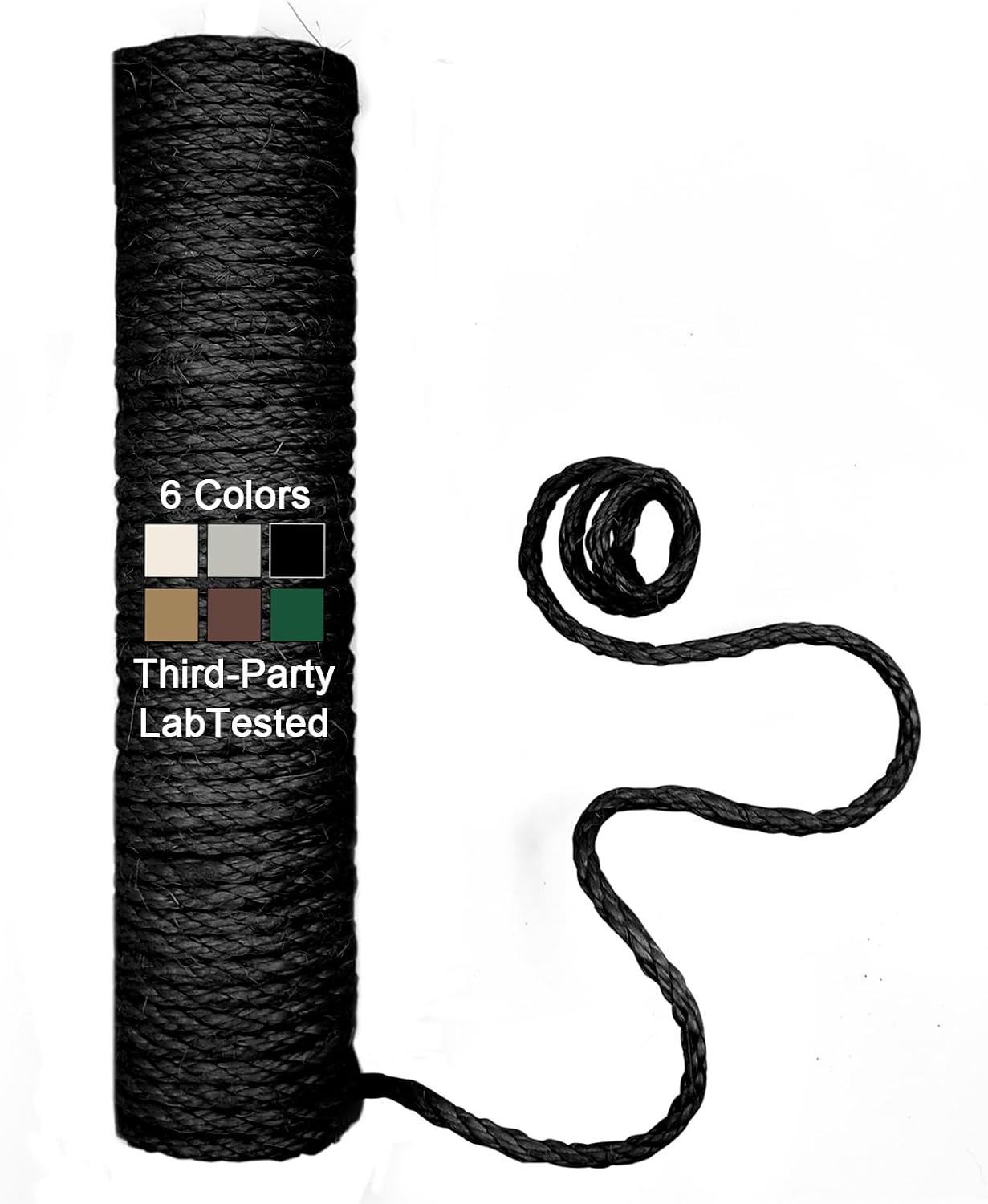
1/4in 32FT Natural Sisal Rope for Cat Tree, Cat Scratch Rope Replacement
The only permanent fix; cats chew sisal because it's the correct texture
Visit on Amazon →
Grannick's Care Dogs Bitter Apple No Chew Spray 8oz
Grannicks Bitter Apple is a topical spray that discourages dogs from biting and chewing on hot spots, injuries, and bandages. Bitter Apple can also be used to prohibit chewing on furniture and shoes.
Visit on Amazon →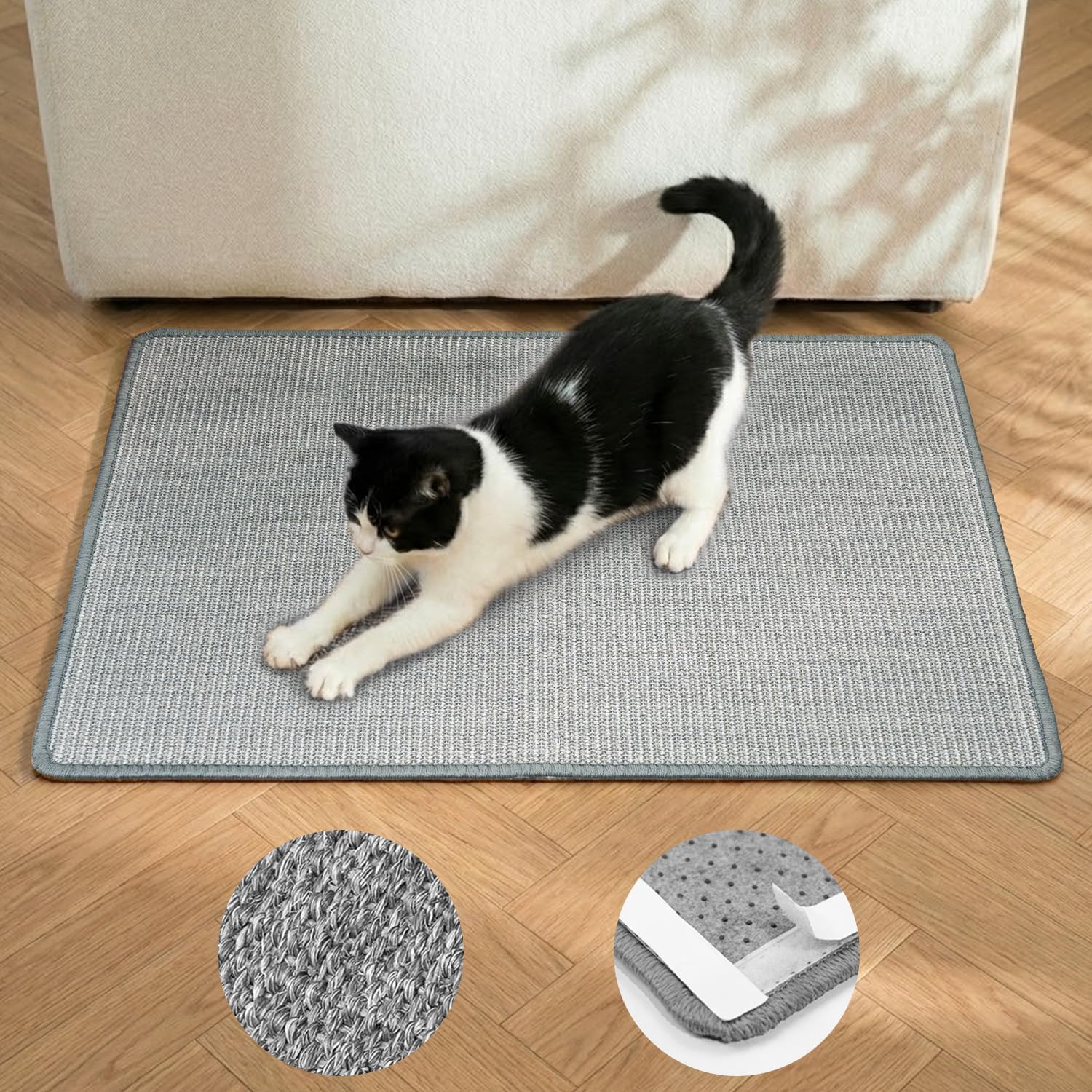
Conlun Cat Scratcher Mat,Natural Sisal Cat Scratch Pad,Horizontal Floor Cat Scratching Pads Rug for Indoor Cats Grinding Claws Nails,Cat Furniture Protector for Couch & Carpets & Sofas
Gives the chewing energy somewhere else to go
Visit on Amazon →Conlun Cat Scratcher Mat,Natural Sisal Cat Scratch Pad,Horizontal Floor Cat Scratching Pads Rug for Indoor Cats Grinding Claws Nails,Cat Furniture Protector for Couch & Carpets & Sofas
Grannicks Bitter Apple is a topical spray that discourages dogs from biting and chewing on hot spots, injuries, and bandages. Bitter Apple can also be used to prohibit chewing on furniture and shoes.
Visit on Amazon →Why Your Cat Is Chewing the Carpet in the First Place
Before you buy anything, understand the behavior. Cats chew carpet on cat trees for three reasons, and the fix depends on which one you're dealing with.
First, texture. The carpet on most budget cat trees is a loop pile that feels satisfying between teeth. It's the same reason cats chew on cardboard boxes and plant leaves. My chunky boy, who weighs in at about 14 pounds, went through a phase where he'd gnaw on the corner of the bottom platform like it was corn on the cob. He wasn't stressed. He wasn't hungry. He just liked the way it felt.
Second, stress or boredom. A cat that's under-stimulated will find something to do with their mouth. This is especially common in single-cat households where the owner works long hours. I've seen it in fosters that came from shelters, too. The chewing is self-soothing.
Third, teething in kittens. My current litter of kittens went through a phase at around 5 months where they chewed everything, including the carpet on their favorite tree. That phase passed in about three weeks.
The mistake most owners make is assuming the cat is being destructive on purpose. They're not. They're communicating a need, and if you don't give them the right outlet, they'll keep using your furniture.
The Only Permanent Fix: Replace Carpet With Sisal
Here's the truth that most articles won't tell you: you can spray every deterrent on the market, but if the carpet texture is what your cat wants, they'll eventually get past the taste and go back to chewing. The permanent fix is to change the surface.
I've done this on three different trees in my house. You can buy sisal fabric by the yard from any craft store for about $8 to $15, depending on the width. You'll need a staple gun, scissors, and about 30 minutes per platform.
The process is simple. Remove the platform from the tree. Cut a piece of sisal fabric that covers the top surface plus about two inches on each side for wrapping. Staple the sisal to the underside of the platform, pulling it tight as you go. Reattach the platform.
My former stray, a curvy girl who was a stray before she found me, chewed the corner off her favorite platform within two days of arriving. I replaced that platform with sisal and she's never touched it since. The texture is what she wanted all along.
For the posts, you can buy sisal rope with a 3/8-inch diameter and wrap it yourself. A 50-foot roll costs about $15 and will re-cover two standard posts. This is also the fix for posts that have been shredded to the point where they're a hazard.
The cost of this DIY fix is about $25 total and it solves the problem permanently. Compare that to buying a new tree every six months when the carpet gets destroyed.
Deterrent Sprays: What Works and What Doesn't
If you're not ready to replace the carpet, bitter apple spray is the first thing to try. It costs about $8 for a bottle and it's safe for cats. I've used it on dozens of fosters and it works on maybe 70% of them.
The trick is application. You can't just spray the carpet once and expect it to last. The spray wears off in a few days, and cats learn that the bad taste is temporary. You need to reapply every two to three days for at least two weeks while you redirect the behavior.
The other 30% of cats will lick the spray once, decide it's not that bad, and go right back to chewing. My chunky boy did exactly this. He licked the spot I sprayed, made a face, and then chewed right next to it. I had to go straight to the sisal replacement.
There's also a citrus-based deterrent that some people swear by. Cats generally dislike citrus smells. The problem is that it fades fast, and some cats are completely unbothered by it. I've had better luck with bitter apple.
One product I would not recommend is any deterrent that contains capsaicin, the stuff in hot peppers. It can irritate a cat's mouth and cause drooling. I've seen a foster get a mild reaction and it's not worth the risk.
The Redirect Method: Give Them Something Better
Deterrents only work if you're also giving the cat an alternative. The goal isn't to make chewing unpleasant. It's to make chewing something else more appealing.
I keep a cardboard scratcher next to every cat tree in my house. They cost about $10 to $20 and they're disposable. When I catch a cat chewing on the tree carpet, I pick them up, set them on the cardboard, and drag their paws across the surface to show them what it feels like.
The key is consistency. My kittens learned in about a week that the cardboard is the thing they're supposed to chew. The tree carpet is now ignored.
You can also try a sisal mat that hangs on the wall. Cats that chew carpet often want the vertical texture, and a wall-mounted sisal mat gives them exactly that. I have one in my living room and it's the most-used piece of cat furniture I own.
Another option is cat grass. Some cats chew carpet because they're looking for plant material to help with digestion or just because they like the mouthfeel. A pot of cat grass costs about $5 and gives them a safe outlet.
The Training Component: What to Do When You Catch Them
Timing matters. If you catch your cat chewing the carpet, you have about five seconds to redirect them before they've forgotten what they were doing.
The right response is to make a sharp noise, like clapping or saying "eh-eh," then immediately move them to the alternative surface. Don't yell. Don't punish. Cats don't understand punishment, and it will just make them anxious, which can make the chewing worse.
The wrong response is to ignore it or to spray them with water. I've seen owners do both, and neither works. The water spray just teaches the cat that you're unpredictable and scary.
I've had the most success with a two-week plan. Week one, spray the carpet with bitter apple and keep the cardboard scratcher right next to the tree. Every time you see the cat chewing, redirect. Week two, stop spraying and see what happens. If the cat goes back to the carpet, you didn't redirect enough. If they go to the cardboard, you're done.
When the Carpet Is Already Destroyed
If you're looking at this article because your cat tree carpet is already chewed to the point of looking like a crime scene, the fix is the same. Replace the carpet with sisal. It's the only way to get a clean surface that your cat won't want to chew.
I've also seen owners flip the platforms over so the chewed side is underneath. This works temporarily, but cats find the edges and start chewing those instead.
There's one more option that I'll mention even though it's not my favorite: carpet tape. It's a double-sided tape that's sticky to the touch, and cats hate the feeling on their paws. You can put it over the chewed areas and it will stop them while you work on the sisal replacement.
The downside is that it looks bad and it collects fur and dust. I use it only as a temporary fix while I'm waiting for sisal to arrive.
Should You Buy a New Tree Instead?
If your tree is more than two years old and the carpet is chewed in multiple places, it might be time to replace the whole thing. I've tested the Globlazer 70-inch tree and it's held up to my current crew of five without any carpet chewing issues.
The fabric is soft and doesn't feel cheap, and the sisal posts are the correct type that cats want to scratch.
The price is less than I'd pay for something far smaller at a pet store.
The **Heybly cat tree** is a better budget option, but it's lightweight and the pictures make it look bigger than it is. For kittens or smaller cats, it's perfect, and the tiny fuzzy ball toy is the biggest attraction. But if you have a chunky cat that chews, the carpet on a budget tree isn't going to survive long.
The real question is whether the tree is worth fixing. A $60 tree that needs $25 of sisal and 30 minutes of your time is worth fixing. A $40 tree that's already wobbly and has broken parts is not. I've replaced the carpet on trees before, and I've also thrown trees in the trash. The line is whether the structure is still solid.
One thing I'll say about the sister posts on most trees: if the posts are wrapped in the same carpet as the platforms, replace those with sisal too. The carpet posts are the first thing cats chew, and they're also useless for scratching. A cat that can't scratch on a tree will find your couch instead, and that's your fault, not theirs.
What I'm Testing Next
I've got a new foster arriving next week, a senior cat who apparently has a history of carpet chewing, so I'll be putting these methods to the test again. I'm also keeping an eye on how the sisal replacements I did three months ago are holding up against my current crew. Let's see how this goes.