Is a Deep Clean Even Possible After a Sick Cat?
You just spent a week nursing a congested foster back to health, and now you're staring at the 70-inch cat tree she slept on. The surfaces look fine, but you know better. I've been a vet tech for eight years and I've fostered over sixty cats, so I've dealt with this exact scenario more times than I can count.
The short answer is yes, you can disinfect a cat tree, but the long answer involves understanding what actually kills what, and what products you should never use around your furballs.
I've lived with the Globlazer 70-inch tree for months now, and I've put it through a full illness protocol twice. I've also tested the Moon & Star wall shelves and the Heybly budget tree with my current foster crew of five. Here's the honest breakdown of what works, what doesn't, and what I'd do differently.
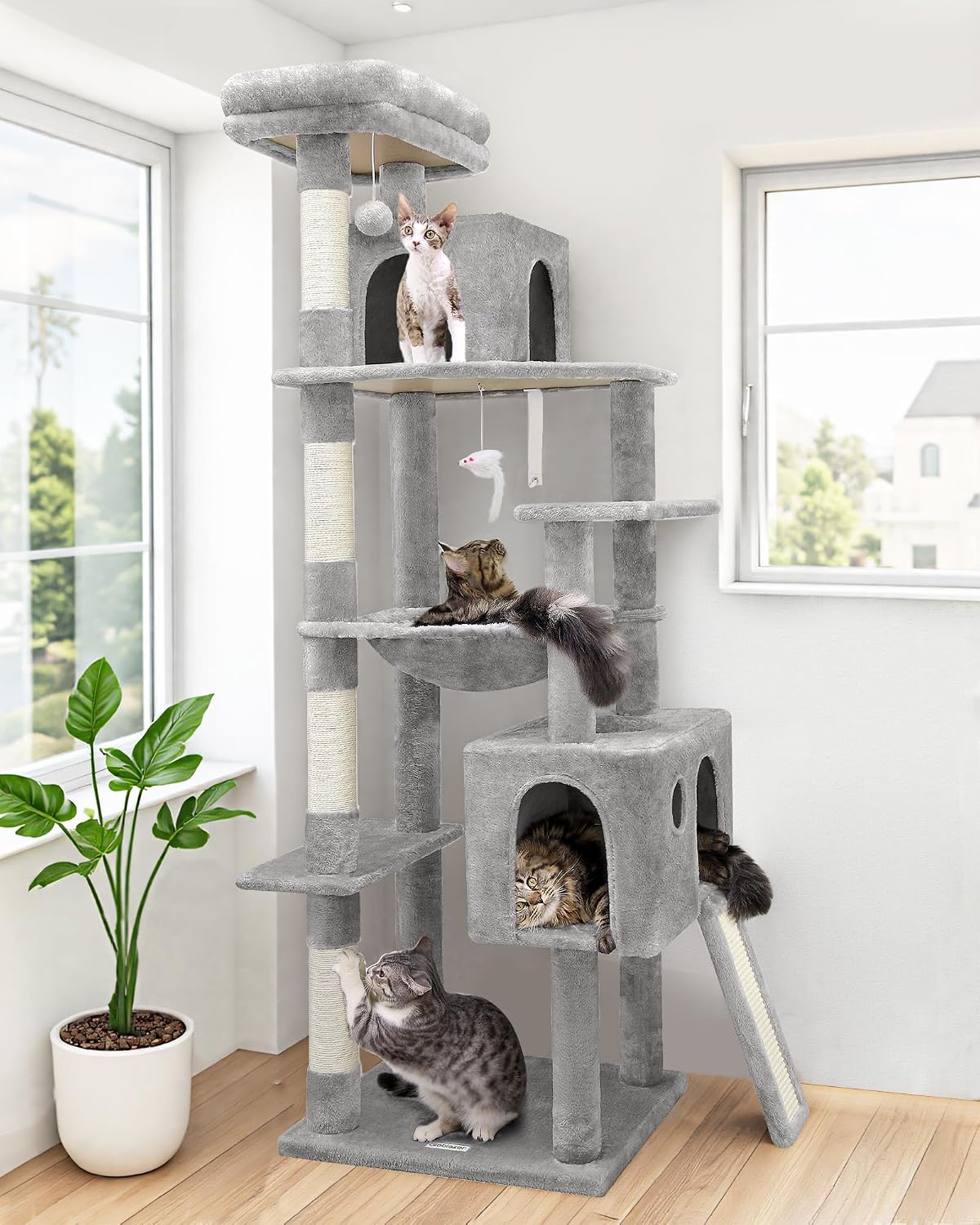
Globlazer F70 Pro Heavy Duty Cat Tree Tower for Indoor Cats Large Adult
Removable, washable top bed; sturdy enough to survive a full scrub-down; all parts included
Visit on Amazon →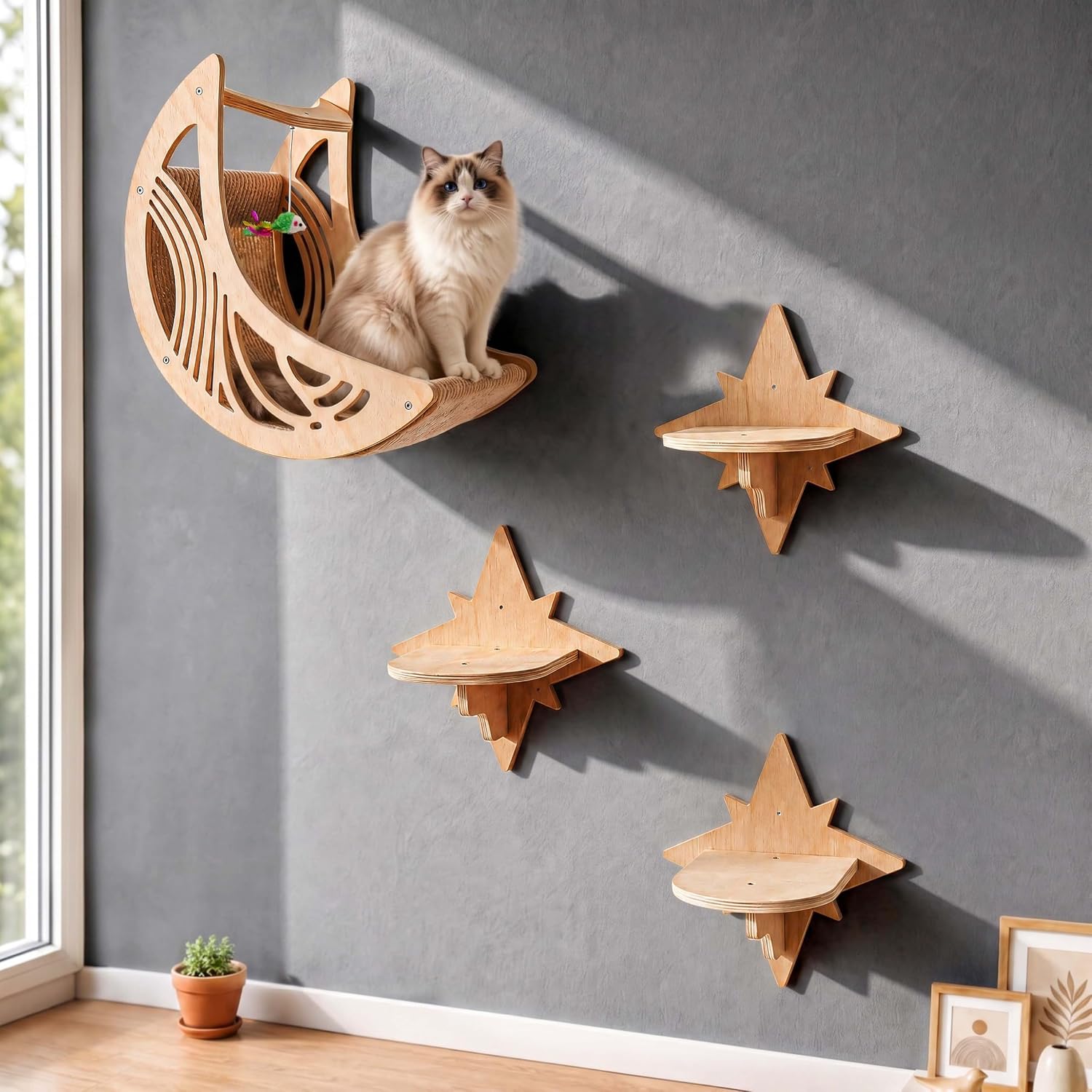
Moon & Star Cat Wall Shelves, Modern Cat Wall Furniture for Indoor Cats
Thick wood, adorable design, easy to wipe down
Visit on Amazon →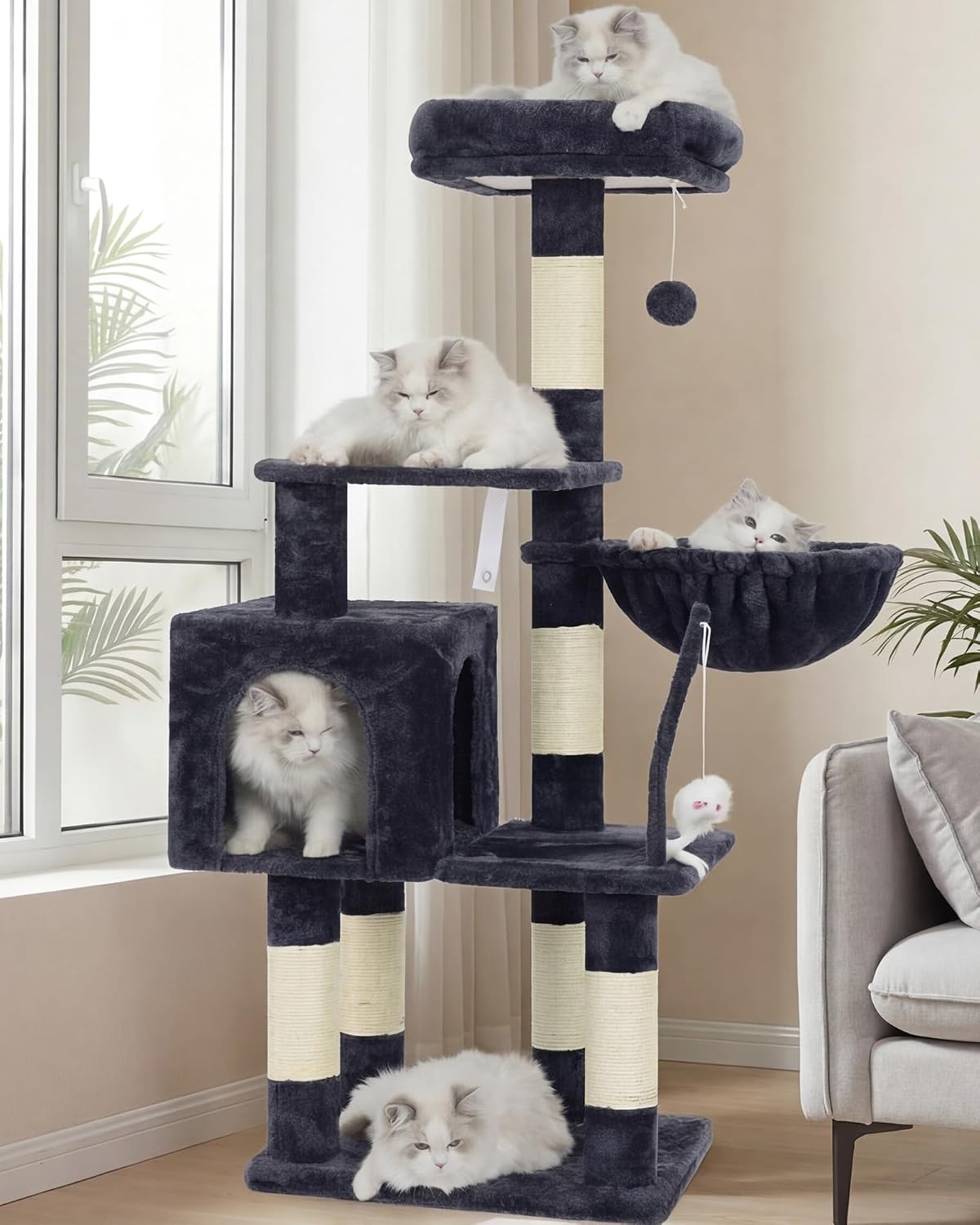
Heybly Cat Tree with Toy, 43.3 inch Cat Tower for Indoor Cats HCT004SG
Is this 70" tall cat tree sturdy enough for multiple active or larger cats? Yes. Built with a trapezoidal design, and a safety anti-toppling strap, it provides exceptional stability to minimize wobbli
Visit on Amazon →How I Tested This
I'm not a lab. I'm a foster mom with a crew of five cats in my living room. When one of my kittens came down with a mild upper respiratory infection, I had to figure out how to clean the furniture without destroying it.
I used an enzymatic cleaner diluted with water, a vacuum with a brush attachment, and a lot of patience.
I also tested what happened when I used too much water on the sisal posts, because that was a mistake I made once and won't make again.
The First Step: Vacuum Everything
Before you spray anything on your cat tree, you need to remove the surface debris. I vacuum my Globlazer tree a couple of times a week anyway, but after an illness, I do a deeper pass. I use the brush attachment and go over every platform, every cubby, and especially the sisal posts.
Sick cats shed more, and dander carries viruses and bacteria. The vacuum isn't disinfecting anything, but it's removing the organic material that can protect germs from the cleaner you're about to apply.
I also flip the tree over and vacuum underneath the base. You'd be surprised what collects there. This takes about fifteen minutes for a 70-inch tree.
What to Use and What to Skip
This is where I get firm. You do not want to use bleach. Bleach is toxic to cats, and even after it dries, the residue can be dangerous when they groom themselves. I've seen too many cats come into the clinic with chemical burns on their paws from walking on freshly cleaned surfaces. Don't do it.
I use an enzymatic cleaner designed for pet messes. It breaks down the proteins in saliva, urine, and other bodily fluids, and it's safe for cats once it dries. I dilute it according to the instructions, put it in a spray bottle, and mist the fabric surfaces lightly. You want the fabric damp, not soaking wet. If you soak the padding, it can take days to dry, and mold is a real risk.
For the wooden parts of the Moon & Star shelves, I use a damp cloth with a tiny bit of mild dish soap. The wood is thick and sturdy, so it handles moisture fine, but I still wipe it dry afterward. The hammock is a different story. The wood base is hard, and I already laid a small blanket in it for comfort. After an illness, I wash that blanket in hot water and replace it with a fresh one.
The Sisal Post Problem
Sisal is the hardest surface to disinfect because it's porous and rough. You can't wipe it down the same way you wipe a platform. My approach is to spray the enzymatic cleaner directly onto the posts and then use a stiff brush to work it into the fibers. Then I let it air dry completely, which can take a few hours.
Here's the thing I learned the hard way: if you overspray the sisal, it can shrink or become brittle. I did that once with a cheaper tree and the posts started fraying within a week. With the Globlazer tree, I was more careful.
I used a light mist and brushed it through, and the posts have held up fine. They're still solid after months of daily scratching from my chunky boy and the rest of the crew.
The Removable Cover Advantage
This is where the Globlazer tree really earns its place in my house. The top bed has a removable, washable cover. After one of my kittens was sick, I pulled that cover off, washed it in hot water with pet-safe detergent, and air-dried it. That's the most effective way to disinfect fabric, period. Heat kills more than any spray ever will.
The downside is that the cover is difficult to stretch back on. I read a review from a buyer named Dana who said the same thing, and she wasn't wrong. It takes some muscle and a bit of patience. But once it's on, it's not going to pop off easily. That's a trade-off I'm willing to make.
Wall Shelves and Illness
The Moon & Star shelves are a bit trickier because they're mounted to the wall. I had to clean them in place. The good news is the wood surface is easy to wipe down. The bad news is the anchors that came with it were useless.
The yellow drywall anchors did not work how they were supposed to. They either fell out of the wall or only half worked.
I ended up buying metal toggle bolts from the hardware store, and that solved the problem. If you're mounting these, plan on a trip to the hardware store first.
The hammock is the spot my cats fight over. After cleaning it, I put a fresh blanket in the base, because the wood is too hard to sleep on comfortably. My former stray, a curvy girl who needs high perches to feel safe, claimed it immediately. That's the seal of approval right there.
The Budget Option and Its Limits
The Heybly tree is a fantastic price, and for kittens, it's perfect. I got one when my cat had four kittens, and the tiny fuzzy ball toy was the biggest attraction. They all bat at it for hours. After an illness scare, I cleaned it the same way I cleaned the Globlazer, and it held up fine.
But I have to be honest about its limitations. It's lightweight. I used the wall strap because I didn't trust it not to tip. The photos make it look bigger than it is, and the measurements are accurate but still smaller than you'd expect.
The cubby and platform are separate pieces, which wasn't clear in the photos, and that makes me worry about long-term stability.
For a chunky cat, I'd look elsewhere. For kittens and small cats, it's a luxury retreat that's easy to clean and cheap to replace.
How Long Does It Take?
For the full process on the Globlazer tree, I budget about an hour. That includes vacuuming, spraying, brushing the sisal, and letting everything dry. The washable cover takes another hour to wash and dry. If you're dealing with a serious illness like ringworm, you need to be more aggressive, but for a standard upper respiratory infection, this routine is enough.
I'll note that I don't track prices day to day, so I won't pretend to know what these cost next week. But the Globlazer at around $120 is less than I'd pay for something far smaller at a pet store, and it's survived months of foster chaos.
The Moon & Star shelves are roughly $50 and adorable, but factor in the cost of toggle bolts and a blanket.
The Heybly is around $45 and perfect for kittens, but don't buy it for a 15-pound ragdoll.
My Honest Bottom Line
Disinfecting a cat tree after an illness is doable, but it requires the right products and a willingness to adapt. The Globlazer is the one I'd recommend to most people because the removable cover makes the hardest part easy.
The Moon & Star shelves are worth the extra hardware store trip if you love the look. The Heybly is a steal for kittens, but know its limits.
None of this is glamorous, but neither is cleaning up after a sick cat. It works, and that's what matters.