Related: How To Stop Cat From Chewing Cat Tree Carpet
I've assembled more cat trees than I can count, and I've made every mistake in the book. I've put posts in backwards, stripped screws, mixed up left and right panels, and once spent forty-five minutes trying to figure out why the top perch wouldn't sit flush. Turns out I had the base plate upside down. My foster crew of five watched the whole thing like I was performing a circus act.
The good news is that most assembly mistakes are avoidable if you know what to look for before you open the box. Here's what actually goes wrong, and how to fix it before it costs you an afternoon and your patience.
The verdict: most cat tree assembly failures come down to three things, anchors that can't handle drywall, instructions that skip steps, and base plates that don't match the holes they're supposed to fit.
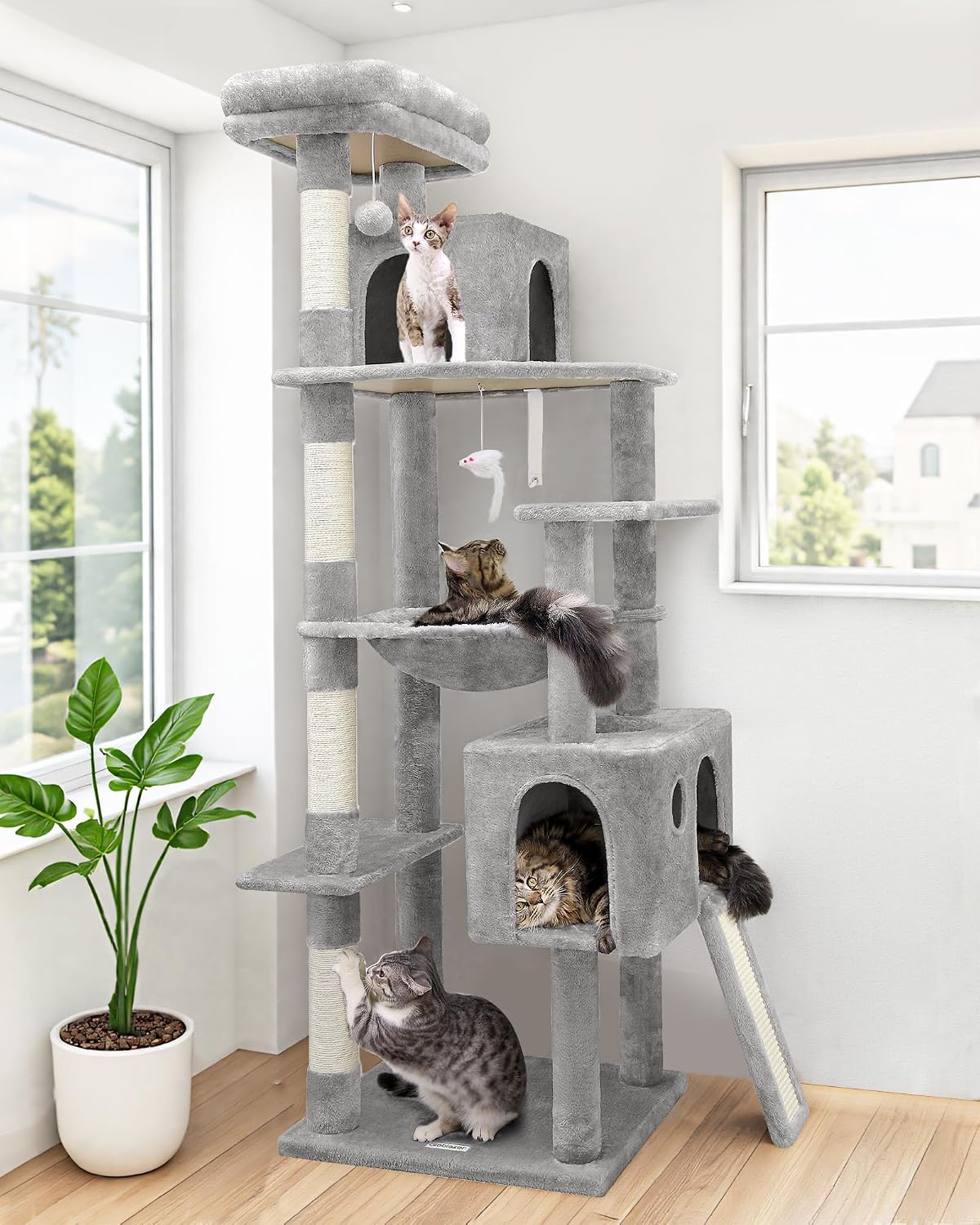
Globlazer F70 Pro Heavy Duty Cat Tree Tower for Indoor Cats Large Adult
Every part included, stable for six cats, washable top bed
Visit on Amazon →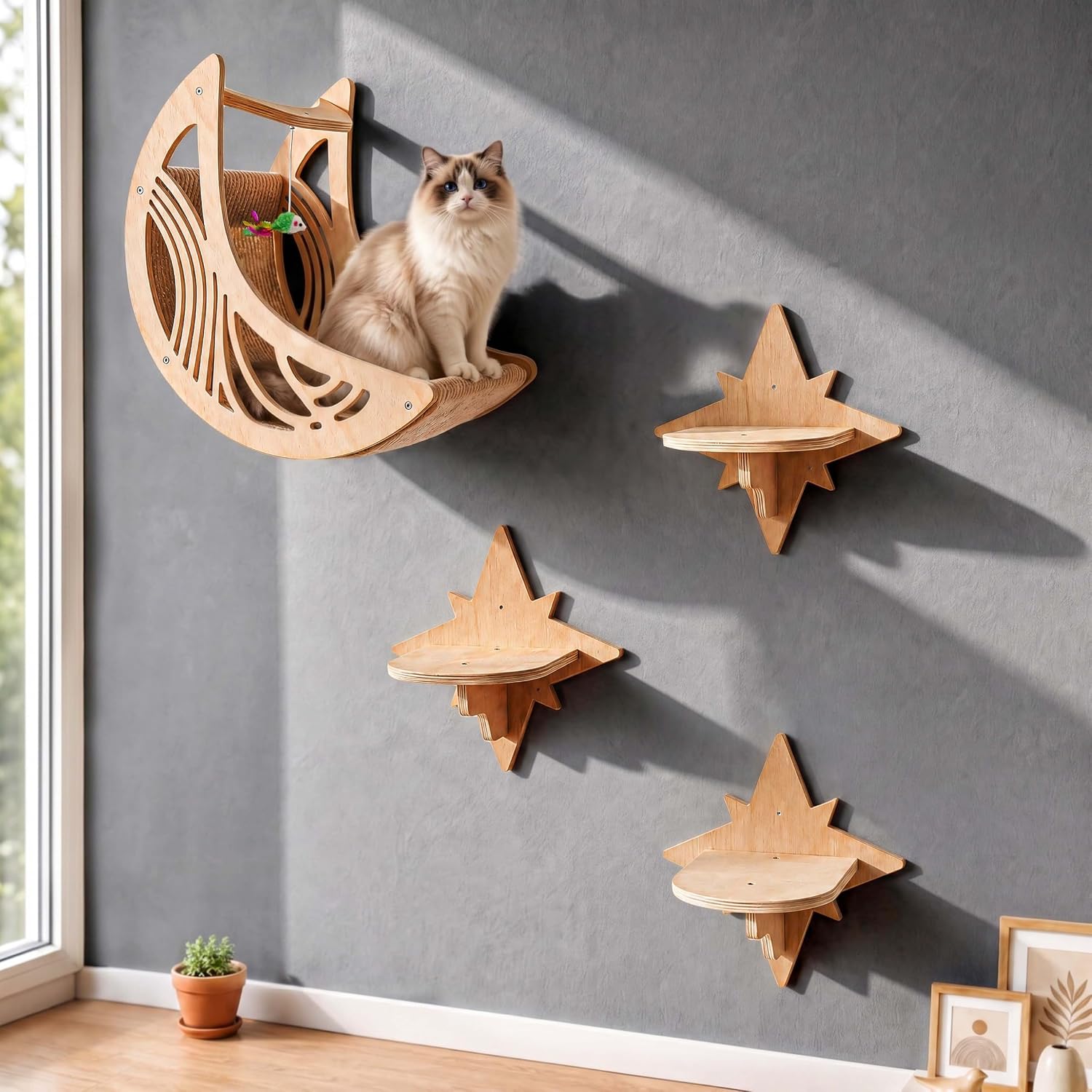
Moon & Star Cat Wall Shelves, Modern Cat Wall Furniture for Indoor Cats
Thick wood, adorable design, cats love the hammock
Visit on Amazon →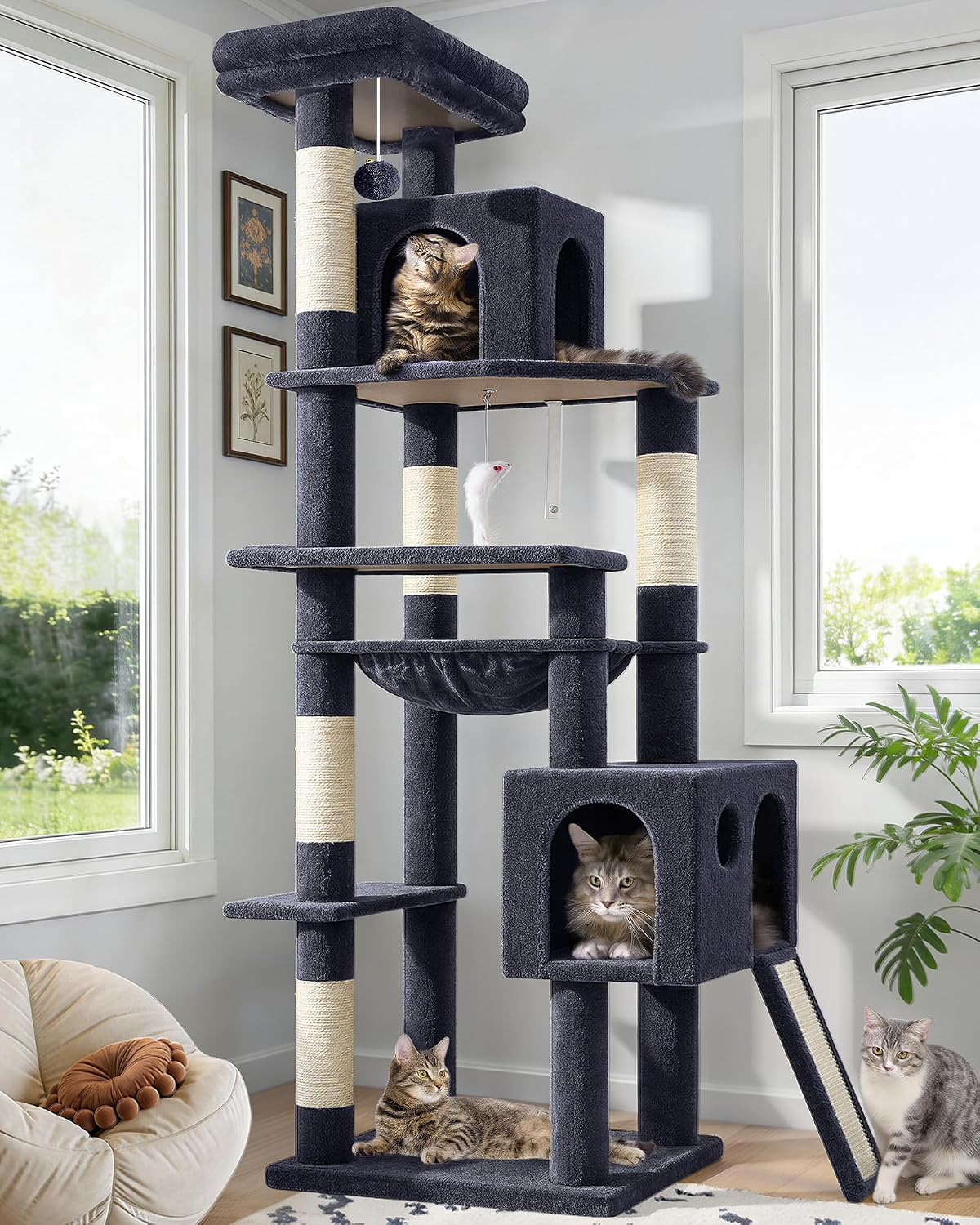
Globlazer F70 Pro Heavy Duty Cat Tree Tower for Indoor Cats Large Adult
Is this 70" tall cat tree sturdy enough for multiple active or larger cats? Yes. Built with a trapezoidal design, and a safety anti-toppling strap, it provides exceptional stability to minimize wobbli
Visit on Amazon →The Anchor Problem Nobody Warns You About
The yellow drywall anchors that ship with most cat furniture are trash. I'm not being dramatic. I've replaced more of them than I can count, and the Moon & Star wall shelves are the latest example.
The yellow anchors did not work how they were supposed to. They either fell out of the wall or only half worked. I screwed one in, felt it catch, and thought I was good. Then I put the shelf up, gave it a gentle tug, and the whole thing shifted. The anchor had stripped the drywall on the way in.
I bought metal toggle bolts from the hardware store for about six dollars and fixed it in ten minutes. That's the move. If your product ships with yellow anchors, plan on replacing them before you start. It's not a reflection on the shelf itself, the wood on the Moon & Star shelves is thick and sturdy, and I'm a sucker for anything celestial. But the hardware is a known weak point.
One more thing about wall-mounted stuff: find a stud if you can. The shelves are 12 inches wide and hold cats that like to launch. A stud anchor is the difference between a shelf that lasts years and a shelf that ends up on the floor at 3 AM.
Instructions That Skip Steps
The Globlazer 70-inch tree took me about an hour and a half to assemble. The instructions were slightly vague on certain parts, and I've done enough of these that I figured it out. A friend who'd never assembled a cat tree would have been stuck.
The specific problem was the perch-to-post connection. The diagrams showed the screw going in at an angle that didn't match the actual hole placement. I spent twenty minutes trying to force a screw that was never going to fit, before I realized the post needed to rotate a quarter turn.
The saving grace is that every single part was included. That's a huge plus, because it's rare. I've opened boxes missing screws, missing shelves, and once missing an entire side panel. When every part is there, even vague instructions become manageable.
My advice: lay everything out before you start. Count the pieces. Read the instructions all the way through once, even if they're bad. Then start. It saves you from the middle-of-assembly discovery that you're missing a bracket.
The Base Plate That Doesn't Fit
The Heybly cat tree has a specific quirk that I've seen in budget trees over and over. The cubby and platform are separate pieces, which wasn't clear in the photos. That's not just a cosmetic issue, it's a stability issue.
When you've got a tree where the middle section is two separate pieces stacked rather than one solid unit, the whole thing has more flex points. The Heybly is lightweight to begin with. I used the wall strap because I didn't trust it not to tip. The pictures make it look bigger than it is, the measurements are accurate, but it's smaller than you'd expect.
The base plate itself went together fine. The problem is that the tree is maybe 40 inches tall and weighs very little. My kittens love it. They jump and climbed on it immediately, and the tiny fuzzy ball toy is the biggest attraction. But this is not a tree for a 15-pound cat. My chunky boy looked at it, tested a step, and decided it wasn't worth the effort.
Steps That Are Too Small
The Moon & Star shelves include steps that are a bit small for my bigger fosters. My ragdoll is almost 15 pounds and he wanted to climb them, but he couldn't get a grip on the bare wood. He's a careful cat. He tests everything before he commits. When his paw slipped off the step, he looked at me like I'd failed him.
The fix was simple. I added kitty carpet to the steps with adhesive strips. Took me five minutes and now he uses them regularly. If you've got a bigger cat, plan on this modification. The steps work great for my kittens and my 8-pound former stray, but they're not sized for heavy cats.
The hammock on the same shelves has a hard wood base. My cats wanted to use it, but they'd climb in, circle twice, and climb out. I laid a small blanket in it and now they fight over it. That's how I know it's good, they argue about who gets to sleep there. But out of the box, it's not comfortable enough for a cat to commit to.
How to Avoid the Mistakes
The pattern across all three products is that the fixes are simple and cheap. The failures are in the details that manufacturers don't test with real cats.
- Replace the anchors before you start. Yellow drywall anchors are a warning sign. Metal toggle bolts cost six dollars and take ten minutes.
- Lay everything out and read the instructions once before you start. Vague instructions are manageable if you know what's coming. The Globlazer tree's instructions were imperfect but workable because every part was present.
- Check the base width before you buy. A lightweight tree needs a wall strap. A tree with separate cubby and platform sections needs extra scrutiny. If the base is narrower than the height divided by three, plan on securing it.
- Test the steps with your heaviest cat. If you've got a cat over 12 pounds, bare wood steps are a problem. Kit carpet or sisal wrap fixes it in minutes.
Should You Buy It?
If you're assembling the Globlazer 70-inch tree, buy it and budget an hour and a half for setup. The vague instructions are annoying but the result is stable enough for six cats. My former stray, a curvy girl who needs high perches to feel safe, climbed to the top on day one and settled in like she owned the place. All six of my cats give it their seal of approval.
If you're assembling the Moon & Star wall shelves, buy it and plan on a hardware store trip. The shelves themselves are great. The anchors are not. Budget an extra thirty minutes and six dollars for toggle bolts.
If you're assembling the Heybly tree, buy it for kittens and small cats only. The price is fantastic and my kittens love it. But it's lightweight and the separate cubby and platform pieces worry me for long-term stability. I'm not sure if it really is stable enough for heavier furballs.
The price-to-quality ratio matters more than the sticker price. A $40 tree that collapses in three months is expensive. A $130 tree that survives three years of foster cats is a bargain. Fix the anchors, reinforce the steps, strap the lightweight trees, and you'll get more life out of any of these.
I'm currently monitoring how the sisal posts on the Globlazer hold up to daily scratching, and whether the toggle bolts on the Moon & Star shelves stay solid after a few weeks of use. I'll update this if anything changes.